Reframing the Fear of Re-Injury by ACTing Against it
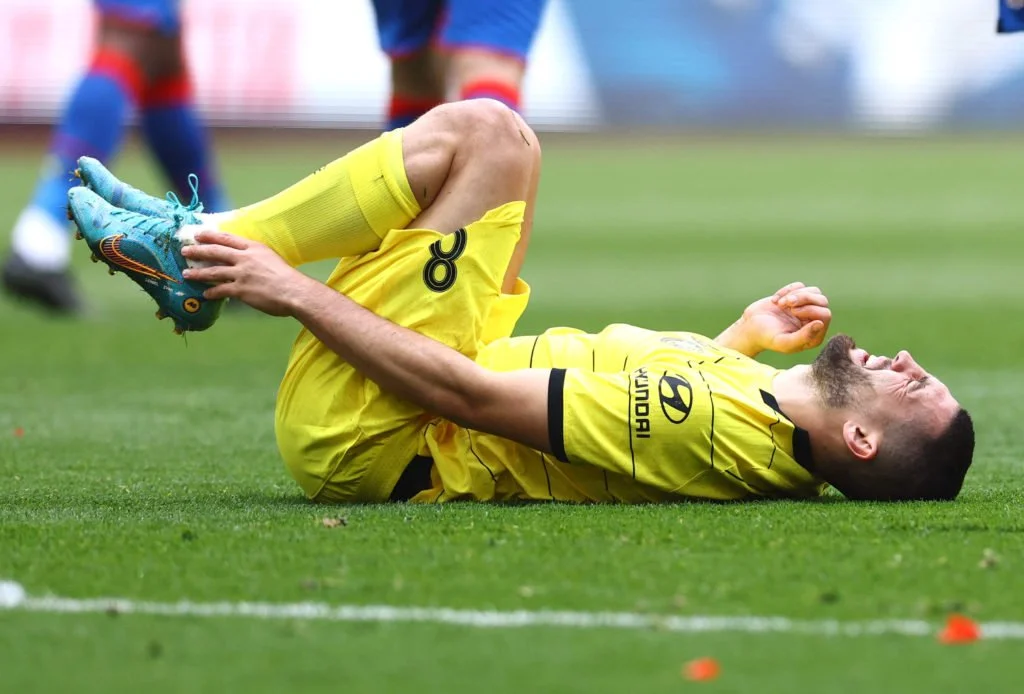
Fear of re-injury is a commonly experienced psychological factor for injured athletes. However, athletes, performers, and clinicians lack coherent psychological strategies to support individuals’ fear throughout rehabilitation and return to activity phases. Dr Carl Bescoby explores how to identify and reframe fear and ACT against it.
Introduction
A prominent psychological factor that may attribute to an unsuccessful return to activity is fear of movement, kinesiophobia, or fear of re-injury (1, 2, 3). Kinesiophobia concerns the irrational fear which debilitates physical moment and activity resulting in a vulnerability to re-injury and is also associated with lower confidence and physical strength impacting rehabilitation outcomes (4). Thus article will identify ways in which you could reframe this fear and act against it from a psychological standpoint which will help to promote physical functioning and successful return outcomes.
“Kinesiophobia is an excessive, irrational and debilitating fear of physical movement and activity resulting from a feeling of vulnerability to painful injury or re-injury”Identifying and reframing fear
The identification of fear of re-injury should be considered across all stages of the rehabilitation process as individuals’ anxiety levels are likely to ebb and flow depending on how they progress through rehabilitation physically and mentally. It is likely that if you have sustained a severe injury you may experience greater fear immediately after injury which may reduce as you progress through rehabilitation. However, as you move towards returning to sport and activity, you are likely to experience increased fear or re-injury.
Here are three helpers for you to ACT against the fear of re-injury;
1. Accepting fear of re-injury
Accepting the injury experience means that you become open to the thoughts and emotions that you may experience throughout rehabilitation. Instead of trying to control, fight or struggle with these thoughts and emotions, you can instead make room for them to be present. The pain experienced after an injury may influence your thoughts, feelings, and fear-avoidance beliefs which could lead to pain catastrophizing and the continuous cycle of rumination and magnification, increasing pain and heightening fear of re-injury.
Instead, it is about creating a willingness to experience re-injury anxiety and generating room for these experiences without letting it get in the way of your rehabilitation behaviours and returning to activity. It is about realising that thoughts and feelings about re-injury do not always lead to the action of re-injury.
“Running away from fear only increases the distance from returning to activity”
2. Discovering values as a rehabilitation compass
Values determine the direction you want to move towards in your life. Values are deeper rooted than goals and are not time-bound. Values illustrate what is important to you and the type of person you want to be in your career. What matters to you is important when determining the direction you want to move towards.
Once you have identified your values you can begin to connect these to your behaviours. In embracing values, you could ask yourself what is truly meaningful to you, and how would you like to develop and grow through rehabilitation. These values often act as an internal compass to help guide you through the highs and lows of rehabilitation and help accept discomfort and fear.
3. Enabling a commitment to rehabilitation and return to activity
It is important to understand that you have a choice when it comes to what you commit to throughout rehabilitation. If your commitments towards rehabilitation or returning to activity are governed by fear, then you are choosing to allow your thoughts and feelings to dictate the direction you go in. Maintaining commitment throughout rehabilitation and in returning to activity should be aligned to your values. If your values are aligned to where you want to go (i.e., return to sport, achieve in dance, perform at a high level) and these values influence your behaviour then this will ultimately enable a greater commitment to rehabilitation and return to activity despite the negative experiences of fear.