SPEAKING
The psychology of physical disruption
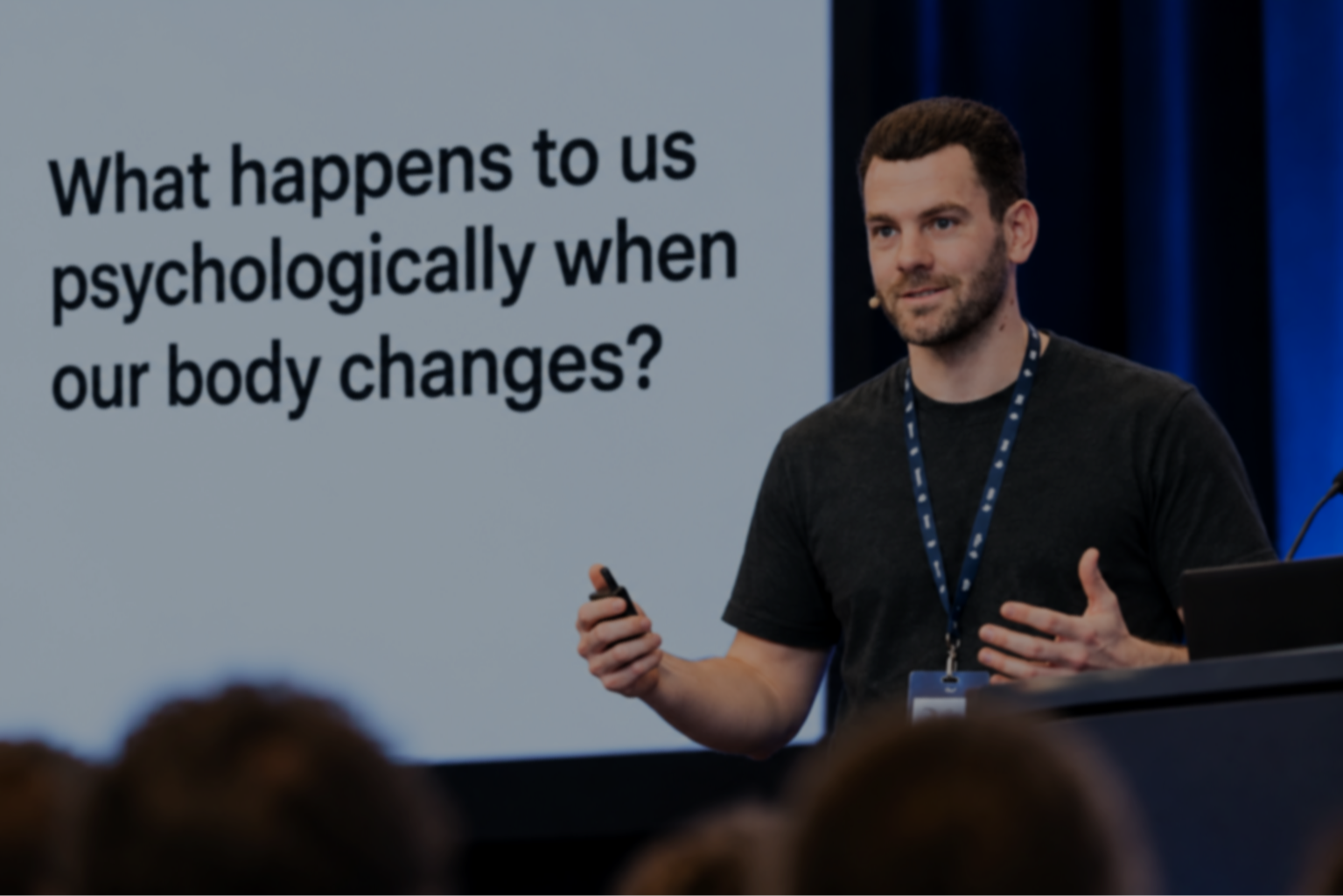
What happens to us psychologically when our body changes?
Injury can disrupt far more than movement. It can change how we see ourselves, what we believe our body can do, how we relate to uncertainty, and how confidently we step back into life.
As a Chartered Psychologist and specialist in the psychology of injury, pain & rehab, Dr Carl Bescoby helps audiences understand the often-overlooked psychological side of physical disruption and, importantly, what we can do about it. His talks combine psychological science, real-world clinical experience and practical tools to help people think differently about recovery, resilience, identity and change.

Keynotes
The Psychology of Physical Disruption
When something happens to the body, the psychological impact can extend far beyond the original injury.
This keynote explores what happens psychologically when our physical capabilities, routines, roles or sense of identity are disrupted.
Drawing on psychology, rehabilitation research and more than a decade working with injured and physically affected individuals, Carl explores why injury can feel like far more than a physical problem and how we can begin to rebuild a sense of confidence, identity and direction.
You will learn:
Why injury can disrupt identity, confidence and our sense of control
What happens psychologically when the body no longer behaves as expected
Why uncertainty can make recovery feel harder than the physical problem itself
How thoughts, emotions and behaviour can influence the recovery experience
How to respond to setbacks without turning them into evidence that you're failing
Practical psychological strategies for navigating change and moving forward
The Injured Mind
Your body may be healing. Your brain may not have received the message yet. After injury, pain or a difficult rehabilitation experience, people can become understandably cautious. Movements that once felt automatic can suddenly feel threatening. Confidence can disappear. Avoidance can grow. And the things we once did without thinking can require enormous psychological effort.
This keynote explores the psychology of threat, safety, pain, fear and confidence and why sometimes the way forward isn't about forcing yourself to feel confident.
It's about building evidence that you can cope.
You will learn:
Why the brain can continue responding to threat after the original danger has changed
How fear and avoidance can influence rehabilitation and return to activity
Why confidence is built through experience rather than simply positive thinking
How to distinguish discomfort from danger
How graded exposure can rebuild trust in the body
Practical ways to create psychological safety while still moving forward
Who Am I Now?
For athletes and active people, injury can raise a question that is much bigger than rehabilitation: Who am I if I can't do the thing that usually tells me who I am?
This keynote explores the psychology of identity disruption particularly when sport, exercise or physical ability has become an important part of someone's sense of self. Carl explores what happens when an identity built around performance, capability or achievement is suddenly interrupted, and how we can begin to build a broader sense of self without abandoning the parts of ourselves that matter.
You will learn:
Why injury can create an identity crisis
How performance-based identity can affect recovery
The difference between losing an activity and losing a sense of self
How to develop sources of meaning beyond performance
Why self-worth becomes vulnerable when achievement becomes the measure of identity
Practical ways to reconnect with values, relationships and other parts of who you are